

She woke up before sunrise that morning, the way she always does.
She cooked, swept the floor, packed her children off to school, and got ready for a day at the garment unit two streets away. This was her routine, six days a week, without fail.
But every month, for five days, she also carried something nobody knew about. Not an illness. Not a burden anyone could see. Just a piece of old cloth, folded quietly, tucked away before anyone could notice.
She had never used a proper sanitary pad through a full menstrual cycle. Nobody in her lane had ever told her she deserved one.
That changed the morning DUA Child and Social Welfare Trust came to her neighbourhood.
Period Poverty in Urban India Is Not a Rural Problem Wearing a City Address
When people think of menstrual health challenges in India, they often picture remote villages and faraway districts. But the truth is far more unsettling. Period poverty lives right here, in the slum communities tucked between the flyovers and shopping malls of Lucknow, Kanpur, and every major city across Uttar Pradesh.
The numbers stop you cold.
Approximately 500 million individuals globally lack access to adequate menstrual hygiene facilities. Closer to home, many women still use unhygienic options like old clothes, which can cause serious health problems. In Uttar Pradesh specifically, menstrual hygiene outcomes remain among the weakest in the country, with research pointing to poor governance, low women's empowerment scores, and economic distress as compounding factors.
Menstruation is a natural biological process, yet it remains stigmatised in India, impacting the dignity, mobility, and health of millions of women and girls.
And for adolescent girls, the cost of this silence is measured in lost school days, lost confidence, and in far too many cases, a lost future. About 25% of girls routinely miss school when they have their periods. That is one in four girls, sitting out an education, not because they chose to, but because nobody gave them what they needed to stay.
This is what period poverty looks like in an urban slum. Not dramatic. Not visible from the outside. Just a quiet, grinding indignity, passed down from mother to daughter, season after season, year after year.
One Morning. One Community. Two Hundred Lives Touched.
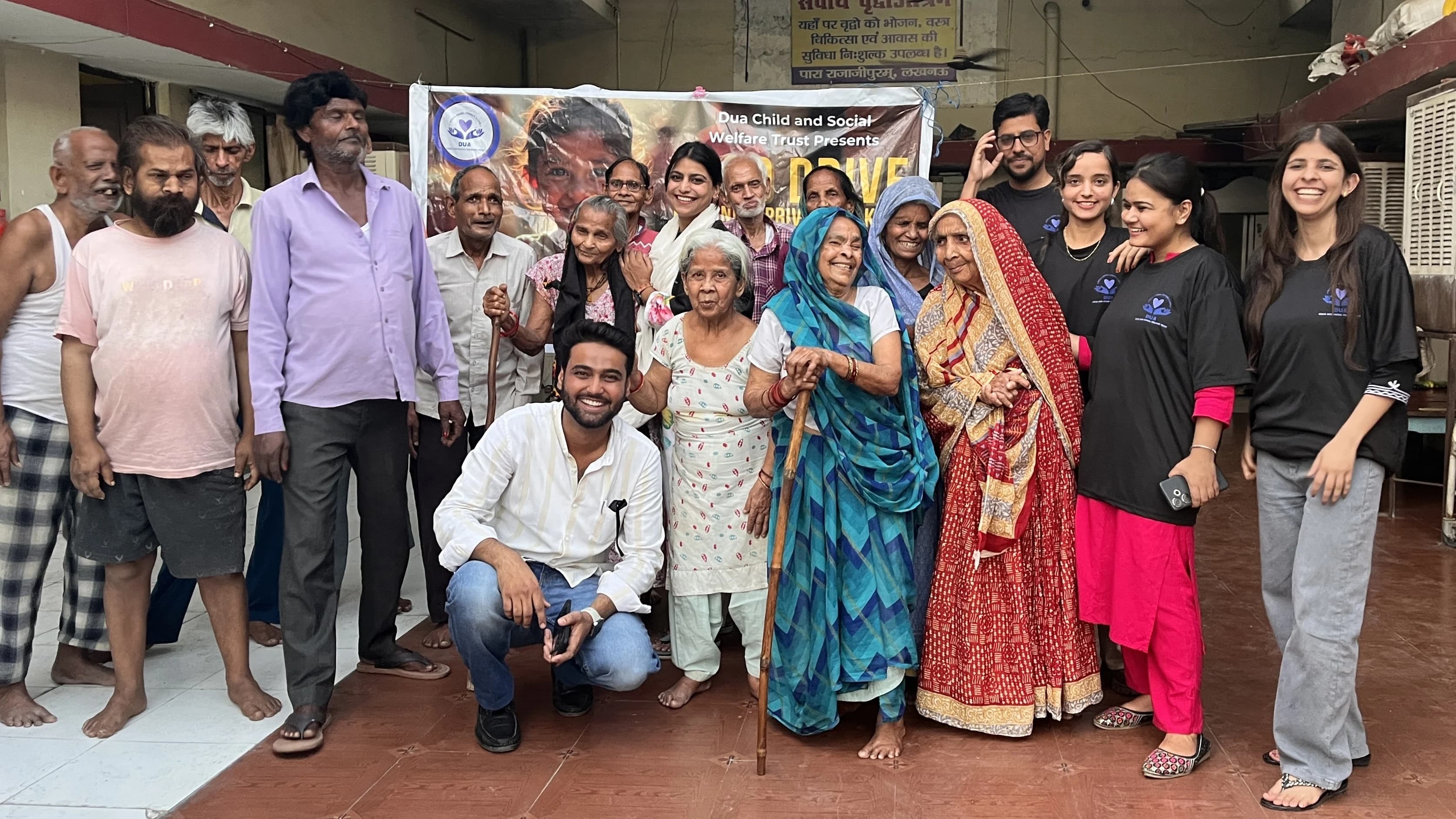
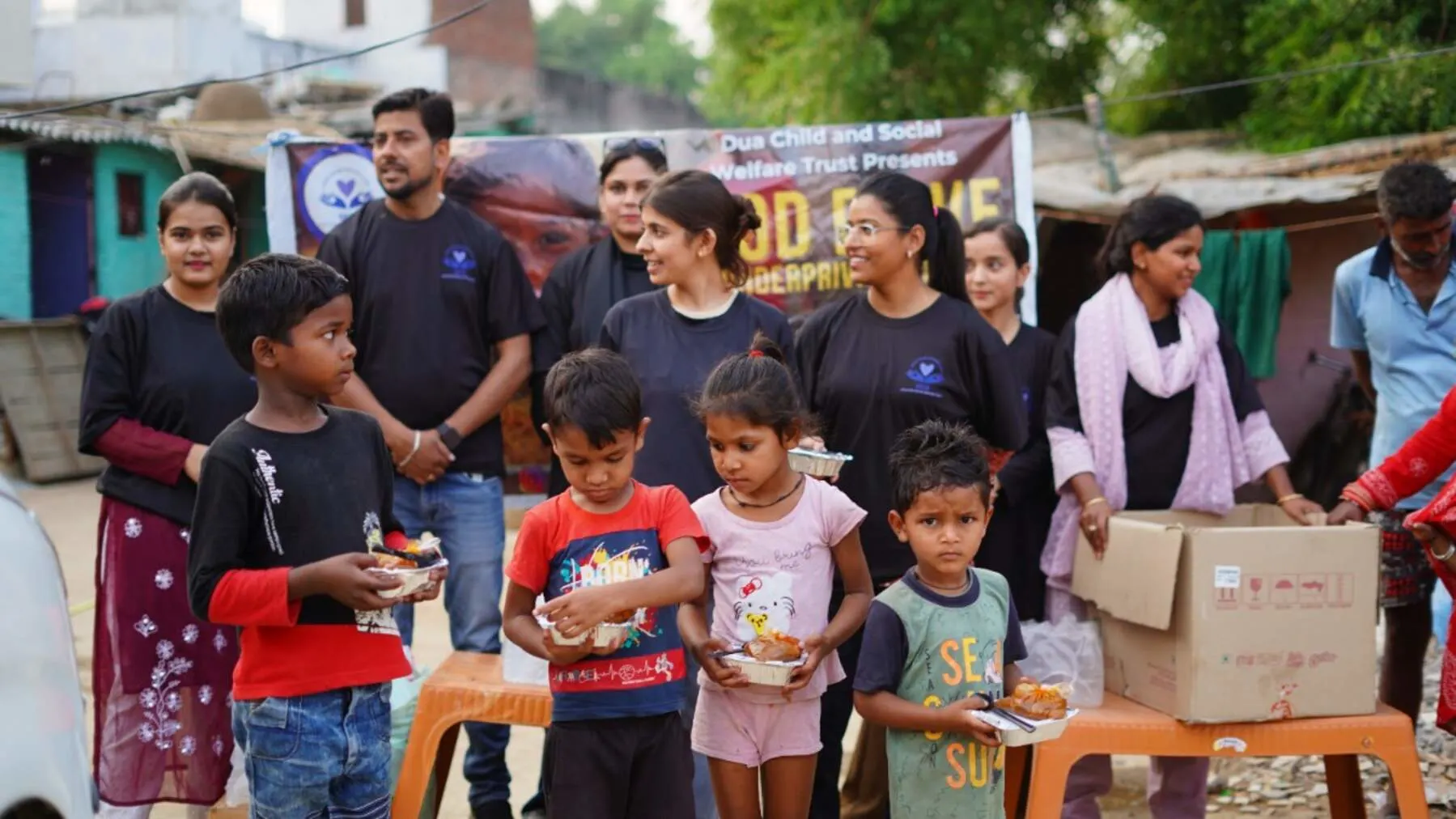
On a recent morning in the slum communities of Lucknow, the team at DUA Child and Social Welfare Trust did something beautifully simple.
They showed up.
Volunteers and team members moved through the locality with awareness materials, sanitary pads, and something even more powerful than both: an honest, shame-free conversation about menstrual health. They sat with women in courtyards and doorways. They explained, in plain and respectful language, what safe menstrual hygiene looks like, why it matters, and what happens to a girl's health and her future when she goes without it.
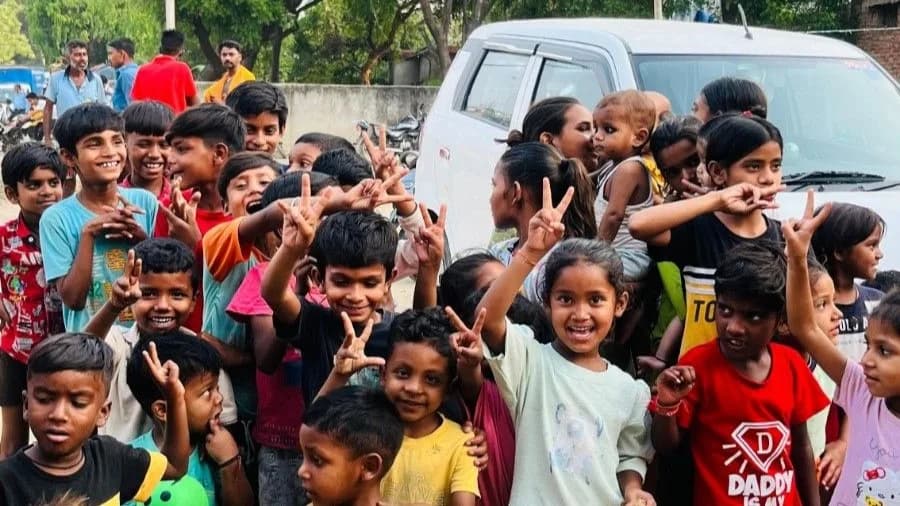
More than 200 women and girls were reached through this single drive. Over 100 sanitary pads were distributed directly into the hands of those who needed them most.
For many women present, it was the first time anyone had stood in their neighbourhood and said out loud: your health matters. Your dignity matters. This is not something to be ashamed of.
That is not a small thing. That is, for some of them, everything.
Why Menstrual Hygiene Awareness Is Not Enough on Its Own
Distribution matters. Awareness matters even more. But the two together create something organisations call sustained behavioural change, and it is this combination that DUA Trust brought to the community that morning.
Structured awareness sessions strengthen menstrual health literacy, promote hygienic practices, and address stigma through interactive community engagement. When women understand the connection between menstrual hygiene and reproductive health, between missed school days and a girl's long-term prospects, they do not just change their own habits. They talk. They teach their daughters differently. They speak up at the local school. They become, quietly and without fanfare, community champions.
This ripple effect is what makes grassroots menstrual health work so powerful. A pad handed over without context is a product. A pad handed over alongside education, conversation, and community is the beginning of a shift.
DUA Trust understands this. Their drive was never just about distribution. It was about breaking a silence that has been costing women in this city their health, their schooling, and their sense of self for far too long.
What Happens When Girls Stay in School
When a girl has access to safe menstrual products and does not have to sit out her school days each month, everything around her changes.
Her attendance improves. Her grades stabilise. Her confidence builds. Teachers notice. Parents take her education more seriously. She starts imagining a future that her mother, managing her period with a torn piece of cloth in a cramped one-room tenement, could never quite picture for herself.
Menstrual health education and period poverty relief are not standalone social work interventions. They are investments in education, in economic participation, in gender equality, and in the long-term wellbeing of entire communities. With reliable access to sanitary products, girls report increased confidence, consistent school attendance, and greater participation in social activities during menstruation.
Every pad distributed by DUA Trust on that morning in Lucknow carried the weight of all of this.
How You Can Stand With These Women
The women and girls who gathered that morning are not waiting to be rescued. They are already working, already striving, already holding families and households together with extraordinary strength. What they need is for someone to meet them where they are, with the tools and knowledge that far too many people take for granted.
DUA Child and Social Welfare Trust is committed to going back. To reaching more communities across Lucknow. To making sure that the girls growing up in these neighbourhoods never have to fold a piece of cloth in secret and hope for the best.
But this work needs fuel. It needs people who believe that menstrual health is a right, not a privilege.
Your donation directly funds menstrual hygiene awareness drives, free sanitary pad distribution, and community education sessions in the underserved localities of Lucknow.
Rs. 500 provides a month's supply of sanitary pads and menstrual health education to five girls.Rs. 2,000 funds a full community awareness session for a group of women.Every contribution, no matter the size, is a statement. It says: I see you. I believe your health matters. I am choosing to do something about it.
Donate Now and Help End Period Poverty in Lucknow
Because the woman who had never held a sanitary pad before that morning deserves to hold one every month, for the rest of her life, without ever having to hide it.
DUA Child and Social Welfare Trust is a Lucknow-based non-profit organisation working in the areas of child welfare, women's health, and community empowerment. We work at the grassroots level, directly within underserved communities, because we believe that lasting change is always built from the inside out. To partner with us, volunteer, or support our programmes, reach out today.