

They Spent a Lifetime Giving. On Holi, Dua Trust Lucknow Made Sure Someone Gave Back.
By Vishal Kumar Content Strategist and Field Documentation Lead, Dua Child and Social Welfare Trust 10 March 2026.
Holi at an Old Age Home in Lucknow — What the Morning Looked Like
Holi arrives with colour and noise and the smell of gulal in the air. For most people across Lucknow it means family. It means a courtyard full of people, someone smearing colour on your face before you have even properly woken up, the table loaded with gujiya and thandai. It means belonging to something.
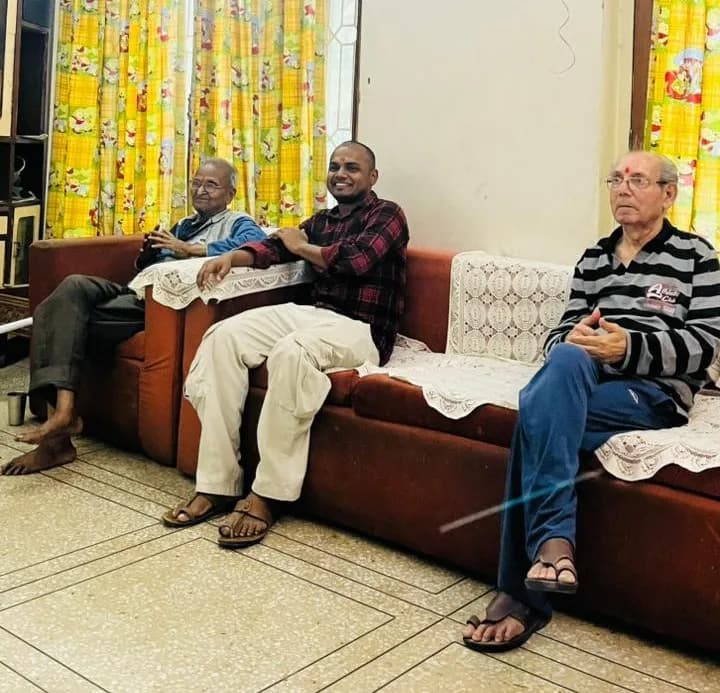
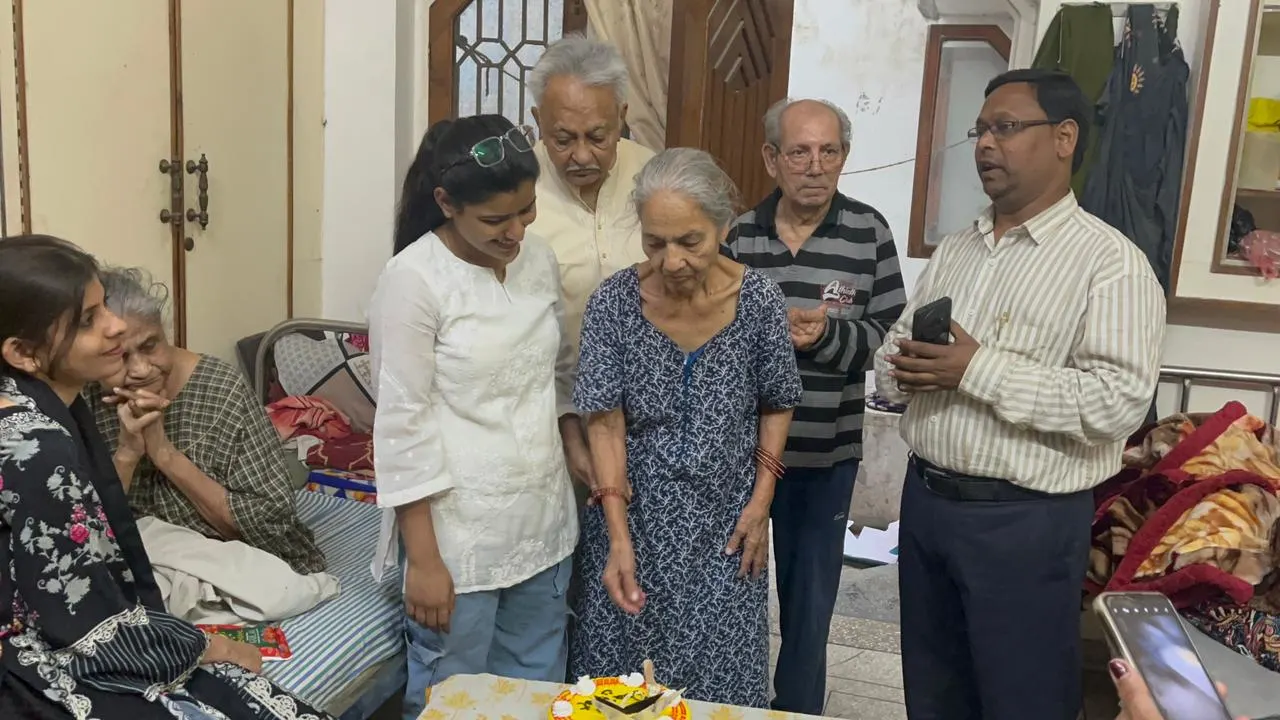
For the twenty men and women living inside a private old age home in Lucknow, 10 March 2026 started the way most mornings start. Quiet. Ordinary. The festival happening outside did not quite belong to them the way it once had. Holi had not belonged to them in a long time.
Then Dr. Heena Khan arrived with the team. And the morning changed.
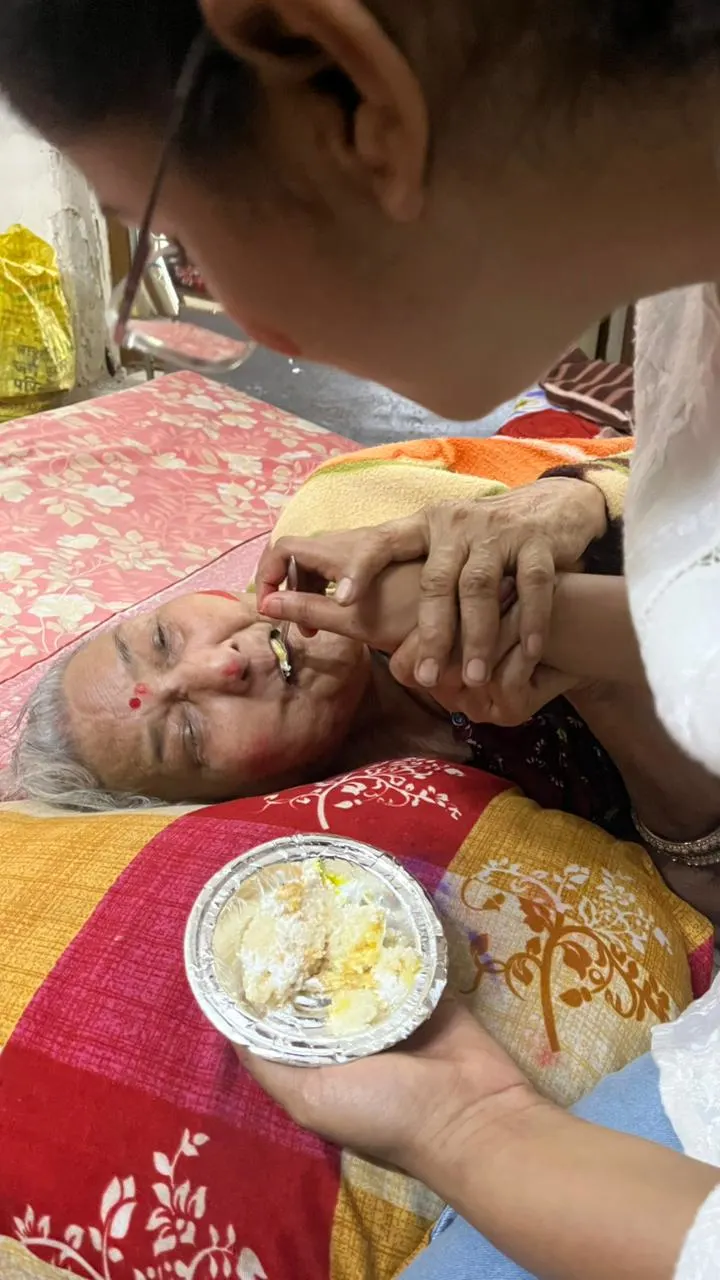
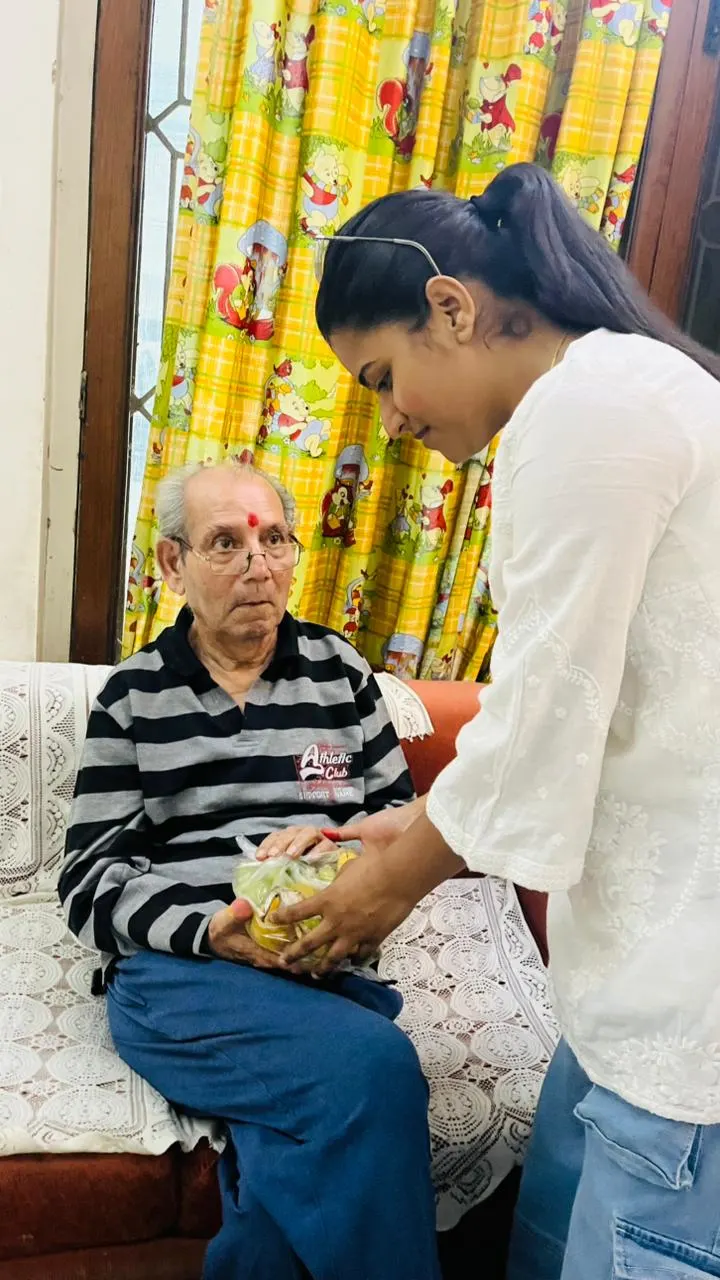
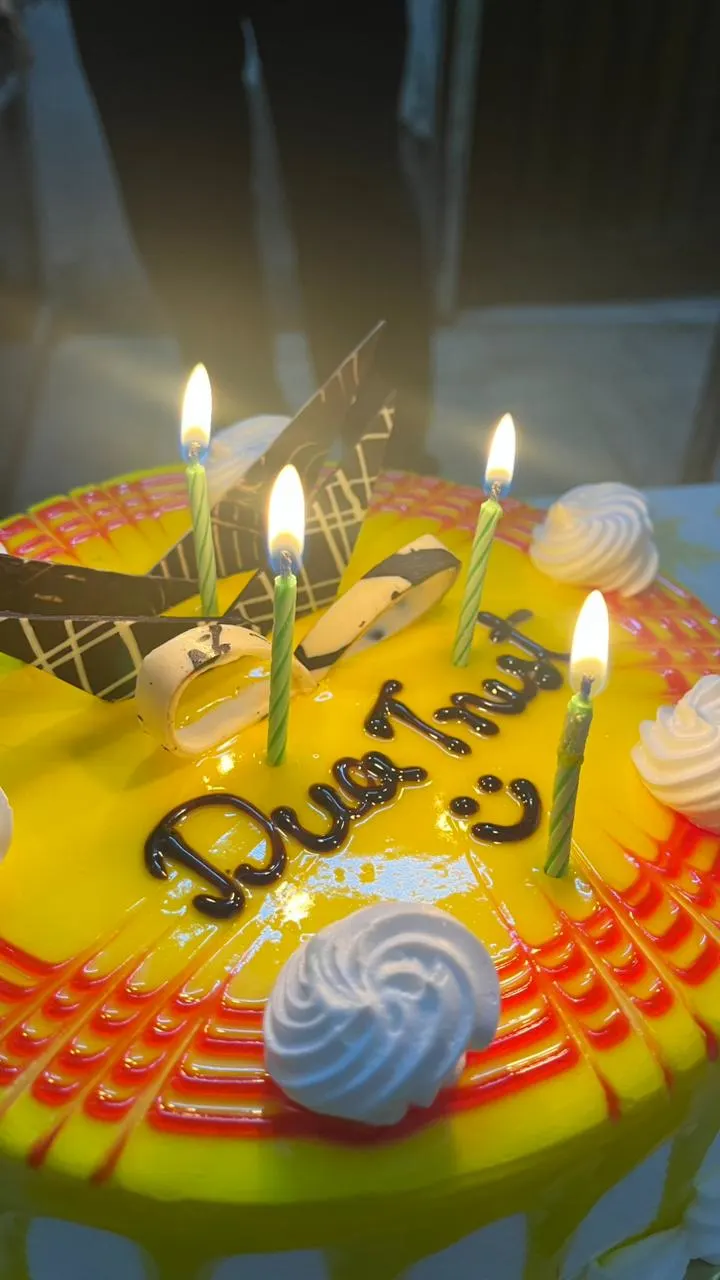
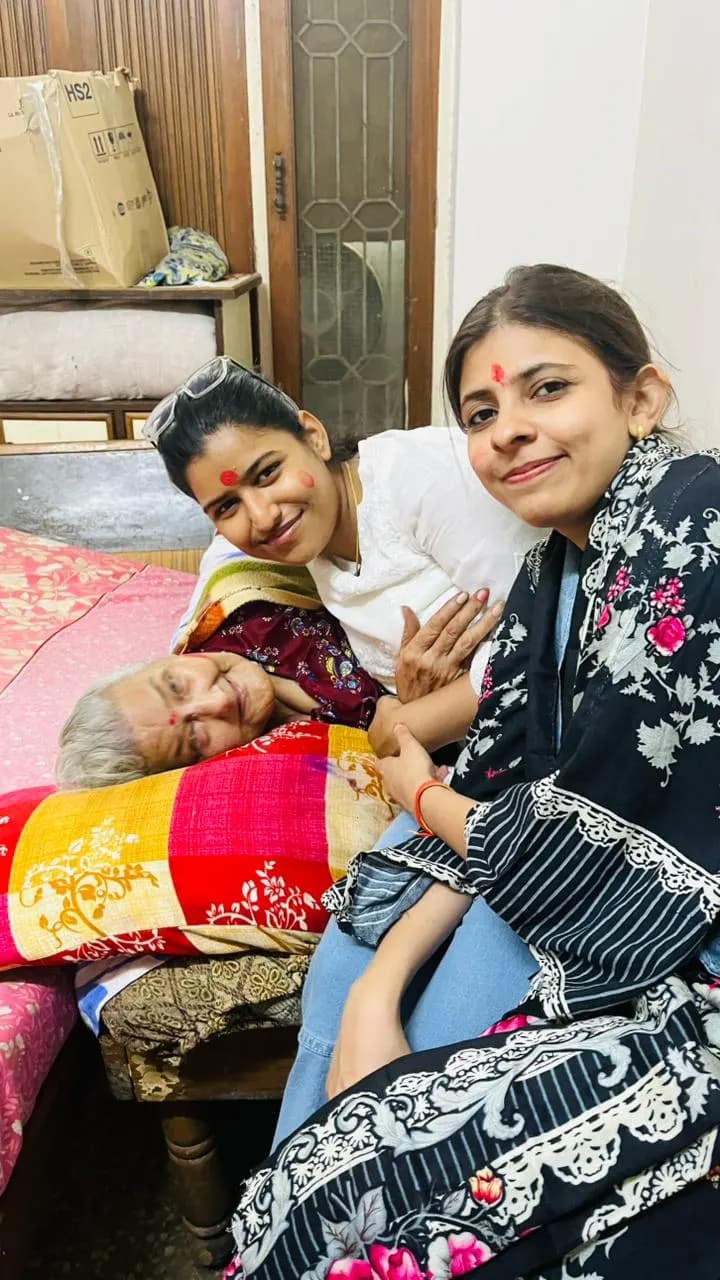
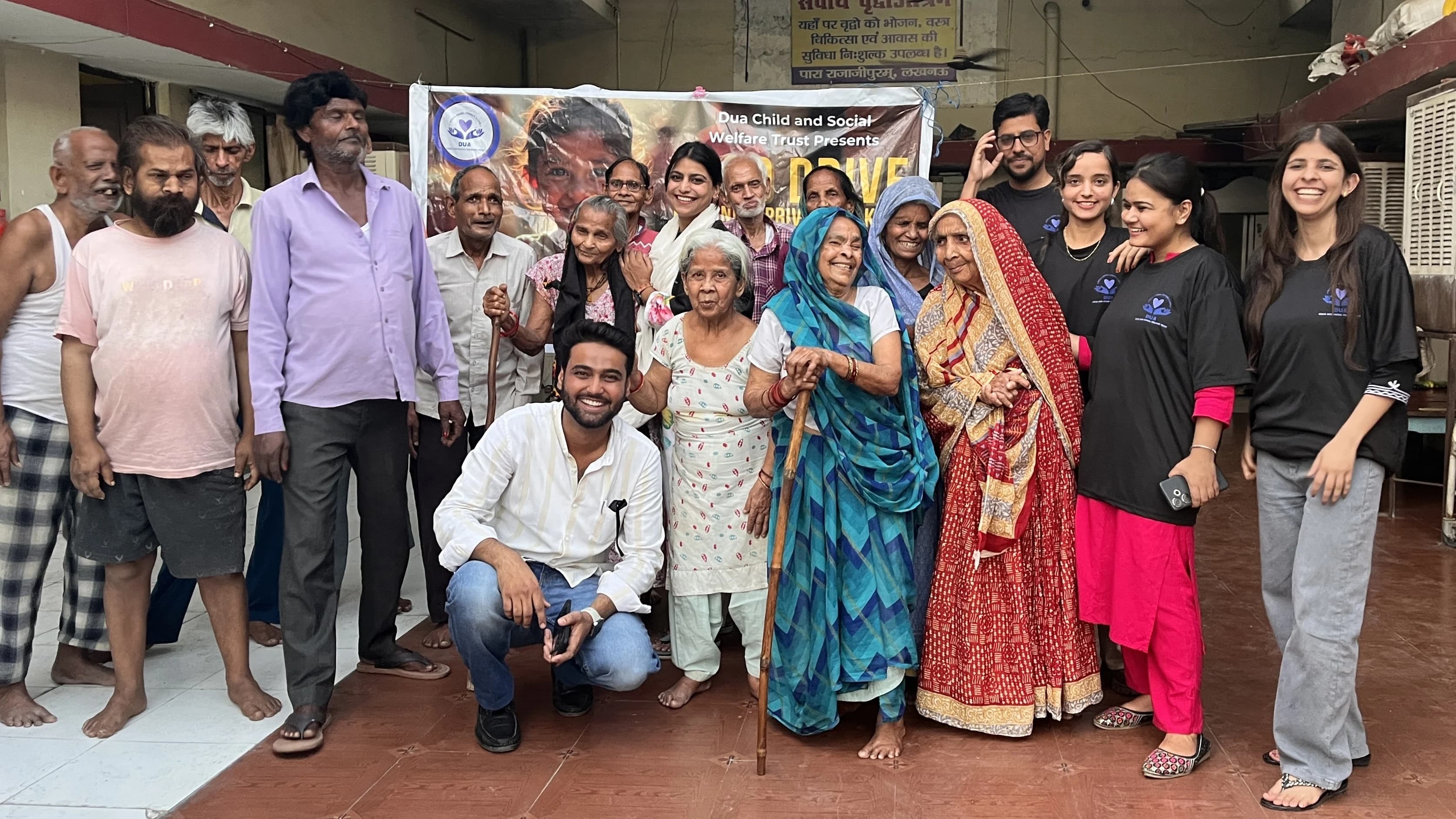
Colours were played. A cake was cut. Fresh fruits were distributed. But what the team brought that morning was not just material. It was the simple, rare, unreplaceable experience of being celebrated. Of someone choosing to spend their Holi with you. Of someone sitting beside you and asking, with genuine interest, how you are doing.
Twenty people were reached that morning. The team spoke to every single one of them. And every single one of them had something to say.
Twenty Elderly Residents in Lucknow. Twenty Stories of Abandonment.
When the Dua Trust team sat with residents one by one that morning, what came back was not one story. It was twenty stories that had never sounded so similar.
There was a man who had worked as a government clerk for thirty one years. He knew every rule, every form, every procedure. He had spent his career helping people navigate systems and departments and red tape. When he retired, his children had lives of their own in another city. He told Aamina Khan that he understood. He said he did not blame them. But when she asked if anyone had called him that morning for Holi, he looked at his phone for a moment before answering.
There was a woman who had been a schoolteacher. She had taught hundreds of children to read. She remembered their names, many of them, even now. She talked about a boy who had come back to visit her years later as a grown man with children of his own, just to tell her she had changed his life. She smiled when she described that day. When a volunteer asked about her own children, the smile did not leave her face but something behind it shifted.
There was an elderly man who had spent decades as a loco pilot, driving trains across routes he still remembered by heart. He knew signals and junctions and the exact time it took to cross every major bridge on his lines. He had carried thousands of passengers safely home across a lifetime of shifts. His wife had passed two years ago. His son had left not long after. He lives now on her pension, in a room that faces the street, watching the traffic from a window.
“Agar pension nahi hoti, toh pata nahi main kahaan hoti aaj.”
(If the pension had not been there, I do not know where I would be today).
There was a woman who had managed her household so efficiently that her son once told his friends his mother could run a company. She had budgeted, planned, cooked, raised children, cared for in-laws, managed illnesses and weddings and funerals and everything in between. She was the kind of person nothing fell apart around. Now she sat in a room that was not hers, in a building that was not home, and she described the day her son dropped her off with a precision that suggested she had replayed it many times.
There was a man who did not talk much at first. He sat slightly apart and watched the others receiving colour and laughing. One of the volunteers sat next to him for a long time without pushing. Eventually he said that he had not thought Holi would mean anything this year. He said it quietly and without self pity, the way people say things they have fully accepted. When the volunteer put colour on his face he closed his eyes for a moment. Then he smiled. It was a small smile. It was also the realest thing in the room.
Every person the team spoke to that morning carried the same thing underneath their different stories. Not bitterness, not loudly at least. Something quieter. The specific kind of loneliness that comes not from being alone but from having been put aside. From being loved once, clearly and genuinely, and then somehow becoming optional.
How Dr. Heena Khan and Dua Trust Lucknow Celebrated Holi With Elderly Residents
The visit was not rushed. There was no schedule to move through. Dr. Heena Khan has spent years doing field work across underserved communities in Lucknow and she understood something important about what that morning required. These elders did not need a programme. They needed presence.
Aamina Khan made sure no one sat at the edge of the room and watched. She moved from person to person with the kind of attention that makes people feel found rather than visited. She remembered what each person said. She asked follow up questions. She laughed at jokes that were thirty years old and told with the pride of someone who still thinks the punch line lands.
Dr. Heena Khan sat with the woman whose husband had driven trains. They sat together long enough that the colour on both their faces dried. The conversation was not about welfare or resources or any of the language that surrounds this kind of work. It was two people talking. One of them had been forgotten by the people she had given everything to. The other refused to be one more person who forgot her.
That is what humanitarian work in Lucknow looks like when it is done with honesty. Not the delivery of services. The restoration of dignity.
Why Elderly Care NGO Work in Lucknow Matters More Than One Festival Day
Old age homes in Lucknow are filling. The residents are not, for the most part, people without means or education or history. They are people who worked. Who raised families. Who contributed to cities and institutions and households for decades. They ended up here not because they failed but because the people around them moved on and did not take them along.
This is not a small or isolated problem. It is a quiet crisis happening across India's cities right now, in buildings tucked behind bus stands and markets and residential colonies, behind walls that the rest of the city does not think much about.
Dr. Heena Khan speaks about this without softening it. She has said during team conversations that the difference between someone who failed and someone who was failed matters enormously. These elders were not left behind because they were difficult or undeserving. They were left behind because the structures around them stopped holding.
The Dua Child and Social Welfare Trust does not look away from that. A Holi visit to an old age home in Lucknow is not a seasonal gesture. It is part of a continuous commitment to being present in spaces where the elderly have been left to live out their years largely unseen. NGO work in Lucknow, when it is done with seriousness, means being there on the ordinary days too. But being there on Holi, when the world outside is celebrating with family, carries a particular weight that the team felt clearly on 10 March 2026.
How Your Donation Supports Elderly Welfare Drives in Lucknow
The Dua Child and Social Welfare Trust wants to say this directly.
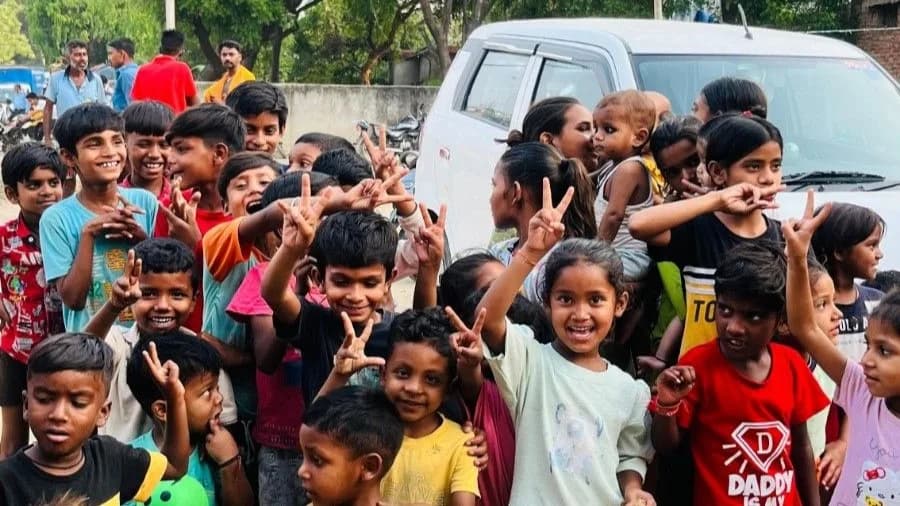
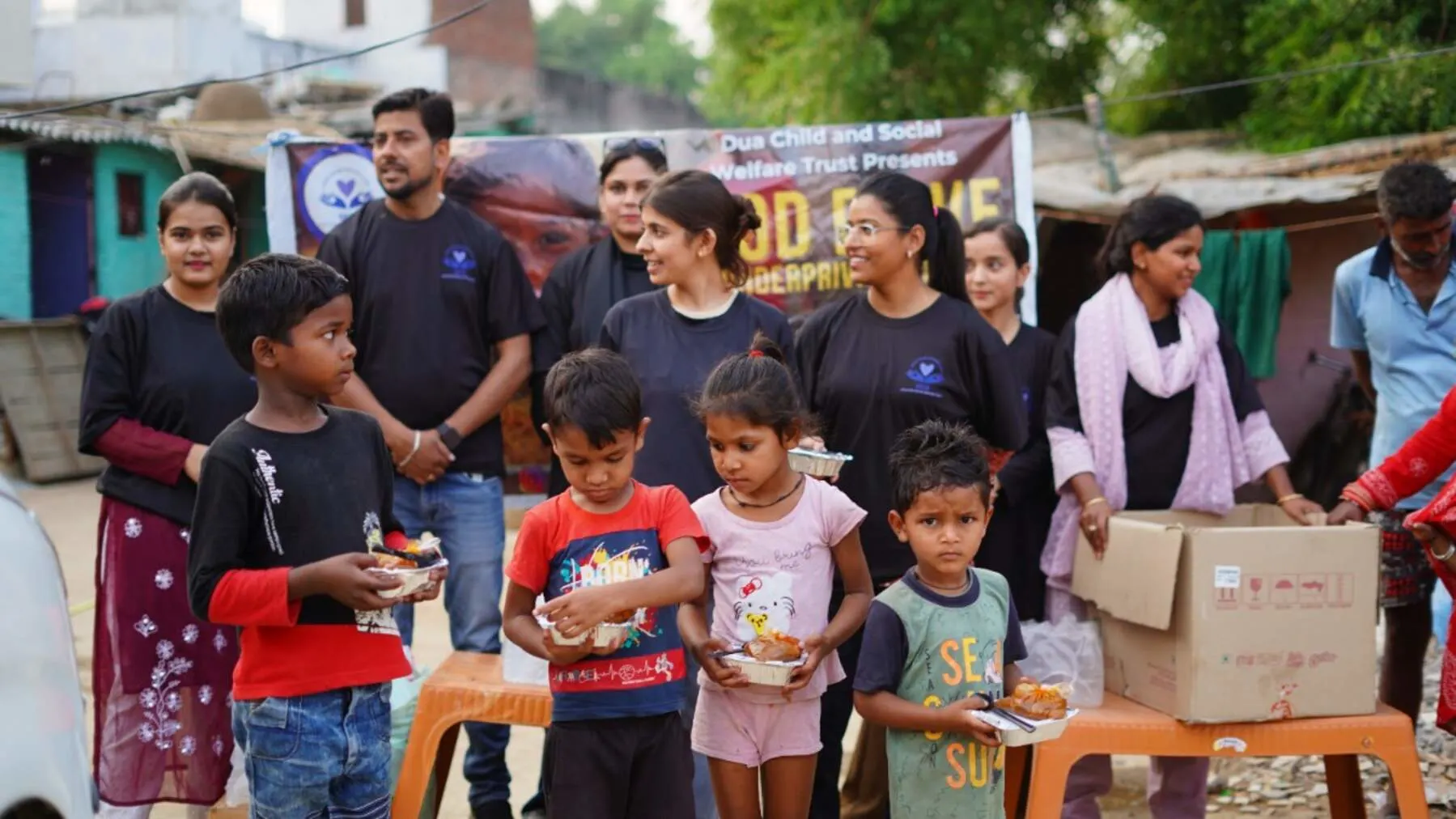
Drives like this one do not happen on goodwill alone. Whether it is hygiene distribution in a jhuggi basti or a Holi celebration inside an old age home, the work reaches people because other people choose to support it. Donors who have contributed to the trust's work made it possible for the team to walk through that door on 10 March 2026 with colour in their hands and time to spare.
Dr. Heena Khan and Aamina Khan want to name that clearly. Your support is not simply a financial contribution. It is what allows a dua to travel from intention to action. Every person reached that morning, the retired clerk, the schoolteacher, the man who drove trains, the woman who managed everything and then lost her place in her own family's life, was reached because someone somewhere decided that these lives deserved care.
If you have given to the trust before, that morning was yours too.
If you have not yet, this is what it looks like when your support reaches someone.
Senior Citizen Welfare in Lucknow Needs Consistent Support — Here Is How to Help
There are old age homes across Lucknow where residents will spend the next festival the same way they spent the last one. Waiting. Watching the day move past the window. Hoping that someone remembers them.
The Dua Child and Social Welfare Trust is building a record of showing up. But the reach of that work depends directly on the people who choose to support it.
If you want to be part of what happened on 10 March 2026, you still can.
Donate now: donate.duawelfaretrust.org/donate
Join as a volunteer: duawelfaretrust.org/become-a-volunteer
Read more field stories: duawelfaretrust.org/stories
Written by Vishal Kumar
Content Strategist and Field Documentation Lead
Dua Child and Social Welfare Trust
Dua Child and Social Welfare Trust is a Lucknow based NGO founded by Dr. Heena Khan, working across child welfare, women's health, elder care and community dignity in underserved communities across Uttar Pradesh.